

How to Write a Marketing Email: A Step-by-Step Guide
1. How to Write a Marketing Email
Learning how to write a marketing email starts with understanding the basic principles of marketing email communication. Whether you are sending a promotional message, announcing a product update, reaching out to potential customers, or building relationships with your audience, a well-structured email helps your message get noticed and encourages readers to take action.
Many people wonder how to write marketing emails that are clear, engaging, and effective. The key is to create emails with a clear purpose, a logical structure, and a strong focus on the reader's needs.
Whether you are learning how to write a marketing email for a product launch, a promotion, a welcome sequence, or a newsletter, the same reader-first approach will help you create a more useful message.
These principles also show you how to write marketing emails for different audience segments without losing a clear, consistent brand voice.
An effective marketing email is not just about promoting a product or service. It should deliver value, communicate the right message, and guide the recipient toward a specific action.
Most successful marketing emails follow the same basic structure:
Subject Line → Greeting → Opening → Main Message → Call to Action → Closing → Signature
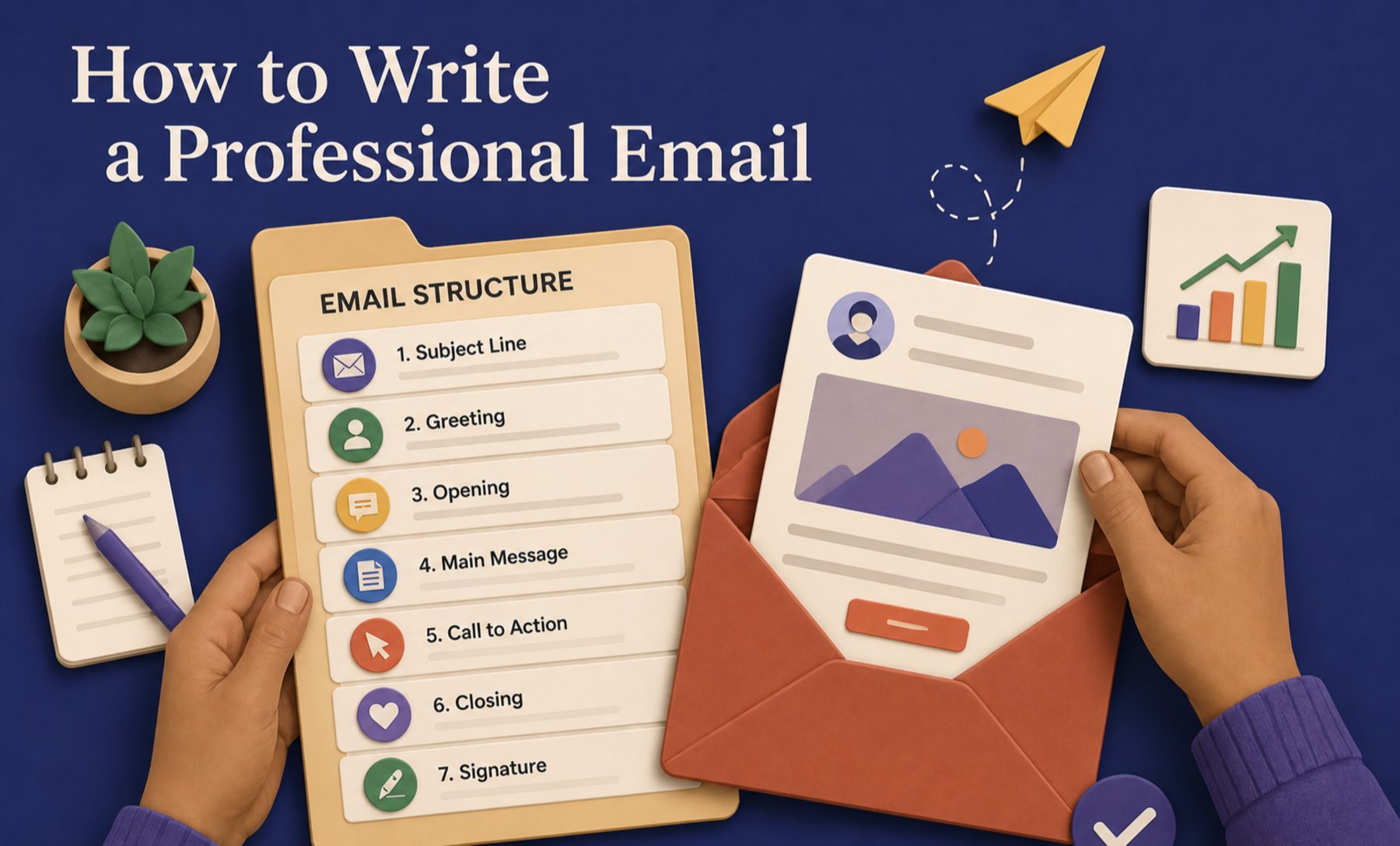
Understanding this structure makes it easier to create emails that are clear, polished, and easy for your audience to respond to. To immediately enhance your email efficiency, use an ai email writer. This tool helps you craft clear, effective messages in seconds, eliminating the guesswork from your written correspondence.
The Structure of an Effective Marketing Email
Here are the seven essential parts of an effective marketing email:
-
Subject Line
Your subject line is the first thing recipients see. A strong subject line should be clear, relevant, and interesting enough to encourage people to open the email. -
Greeting
Use a greeting that matches your relationship with your audience. Personalized greetings can help create a stronger connection and make your email feel more relevant. -
Opening
Start your email by immediately addressing the reader's interest or problem. A good opening explains why the email matters and gives the recipient a reason to continue reading. -
Main Message
Clearly communicate your offer, information, or story. Keep the message focused and highlight the benefits rather than only describing features. -
Call to Action
Every marketing email should have a clear goal. Tell readers exactly what action you want them to take, such as visiting a website, signing up for a service, downloading a resource, or making a purchase. -
Closing
End your email with a positive, on-brand closing that reinforces your message and maintains a good relationship with your audience. -
Signature
Include your name, company information, or brand details to help build trust and credibility.
Marketing Email Anatomy: A Simple Example
Here's an example of an effective marketing email structure:
Email template
Subject: Discover Our New Productivity Tools – Try Them Free Today
Hi Sarah,
We know managing daily tasks can be challenging, especially when you have multiple projects to handle at the same time.
That's why we created our new productivity tools to help teams organize their work, save time, and improve collaboration. With features like automated reminders and real-time updates, you can stay focused on what matters most.
Start your free trial today and discover a simpler way to manage your workflow.
If you have any questions, our team is always happy to help.
Best regards,
Alex Morgan
This email works because it quickly explains why the reader should care, what value the product provides, and what action they should take next.
What Makes a Marketing Email Effective?
A successful marketing email should:
- Have a clear purpose. Define what you want to achieve, whether it is generating sales, increasing engagement, sharing information, or building customer relationships.
- Use an informative and attention-grabbing subject line. Give recipients a clear reason to open your email.
- Get to the point quickly. Capture attention within the first few sentences and avoid unnecessary information.
- Focus on the reader. Explain how your product, service, or message benefits the audience.
- Make the requested action obvious. Use a clear call to action that guides readers toward the next step.
- Maintain an appropriate tone. Balance professionalism with a friendly and engaging voice that matches your brand.
- End with an appropriate closing. Leave readers with a positive impression and reinforce trust in your brand.
The goal of a marketing email is not simply to sell. Effective emails create a connection with readers by providing value, solving problems, and encouraging meaningful action.
Once you understand this basic structure, you can apply it to different situations, including promotional campaigns, product announcements, welcome emails, newsletters, and customer retention emails.
By mastering how to write marketing emails, you can create messages that are more engaging, persuasive, and effective.
2. Start With a Clear Email Subject Line
Research Insight
Small details can make a measurable difference.
A randomized field experiment involving millions of email recipients found that simply adding the recipient's name to an email subject line increased open rates by 20% and sales leads by 31%.
Research citation
Personalization in Email Marketing: The Role of Noninformative Advertising Content
Sahni, Wheeler, and Chintagunta · Marketing Science · 2018
How to Write an Email Subject Line
Learning how to write a marketing email starts with understanding the importance of a strong subject line. The subject line is the first thing your audience sees, and it often determines whether your email gets opened or ignored.
A marketing email subject line should follow three key principles:
Specific + Concise + Actionable
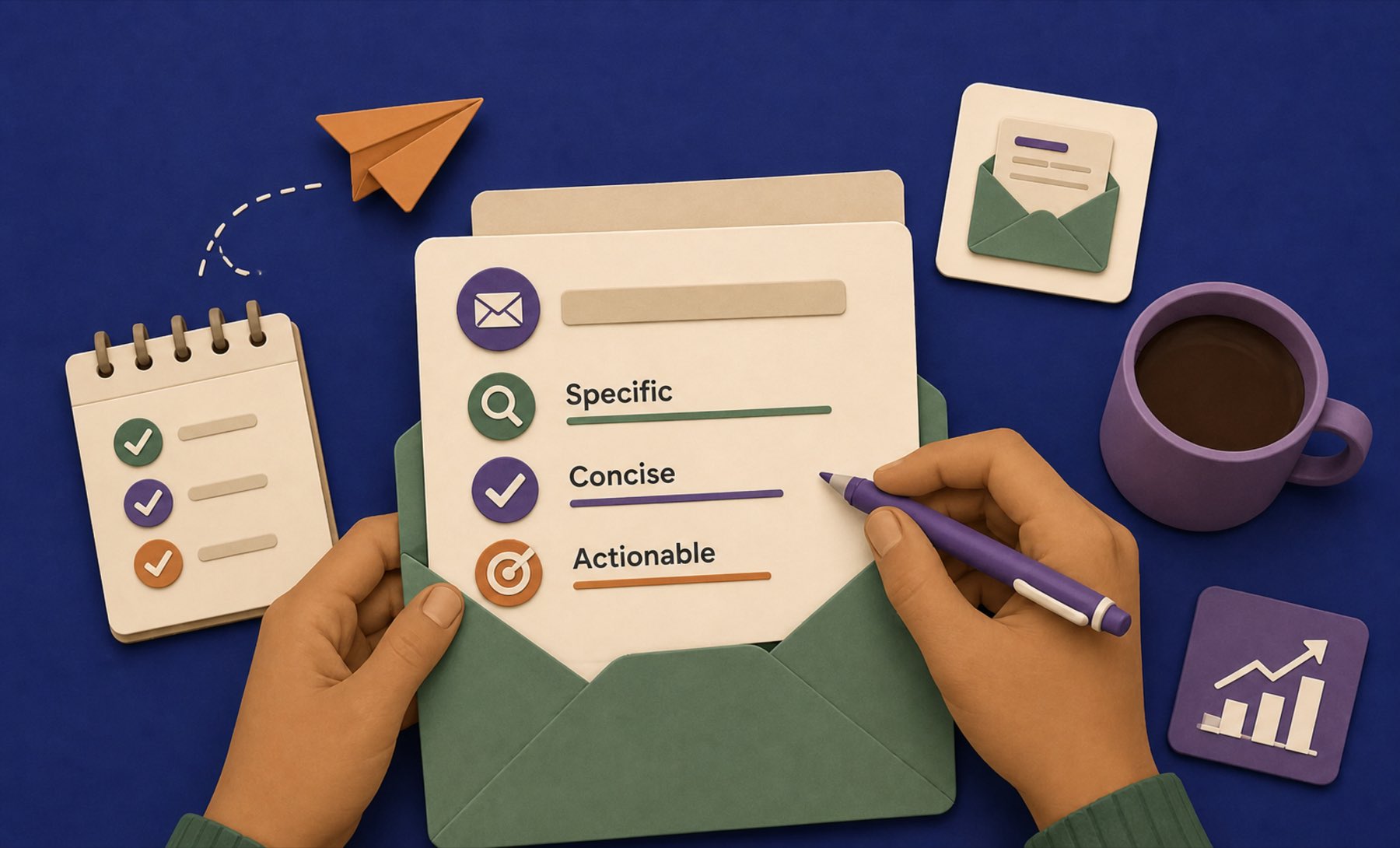
Specific: Clearly Explain the Purpose
A strong subject line should clearly communicate what the email is about. Avoid vague phrases that do not provide enough context.
A subject line like:
❌ Big News
does not tell the recipient what the news is about or why it matters.
A better version:
✅ New Analytics Dashboard – See Your Weekly Results
This subject line immediately tells the reader:
- what the email is about
- the benefit for the reader
- why it is worth opening
For marketing emails, specificity helps your audience understand the benefit or value before opening the message.
For example:
❌ New Product
Better:
✅ Introducing Our New Project Management Tool – Save Time Today
The second version creates more interest because it explains both the topic and the potential value.
Concise: Keep It Short and Easy to Understand
An effective subject line should be short, clear, and easy to scan. Most people check their inbox quickly, so a concise subject line increases the chance that your email will get attention.
Avoid:
❌ Everything You Need to Know About Our New Summer Collection and Limited-Time Offer
Use:
✅ Summer Collection – 20% Off This Week
A concise subject line helps readers understand the purpose of your email within seconds.
For marketing emails, avoid adding unnecessary words. Instead, focus on the main benefit, offer, or message.
Examples:
❌ A Special Announcement About Our Company's Latest Product Improvements and New Features
✅ New Features Available – Explore the Latest Updates
Actionable: Make the Next Step Clear
A great email subject line encourages the reader to take action. This is especially important when writing marketing emails because the goal is usually to guide customers toward a specific response.
Avoid:
❌ Question
The recipient does not know what the question is about.
Better:
✅ Your 20% Discount Ends Friday
Or:
✅ Reserve Your Webinar Spot Before Friday
The second example clearly communicates the expected action and deadline.
For marketing emails, actionable subject lines can encourage readers to:
- explore a product
- download a resource
- register for an event
- claim an offer
- learn more about a service
Examples:
- Get 20% Off Your Next Purchase – Limited Time Offer
- Download Your Free Marketing Guide Today
- Join Our Webinar and Learn New Growth Strategies
Marketing Email Subject Line Examples
The following marketing email examples show how a clear subject line can match a specific campaign goal:
Product Launches
- Introducing Our New Productivity Tool
- New Feature: Organize Your Work in Less Time
- Meet the Update Built for Faster Workflows
Promotions and Offers
- Get 20% Off Your First Order
- Your Exclusive Offer Ends Friday
- Free Shipping This Weekend Only
Webinars and Events
- Save Your Seat: Growth Strategies for 2026
- Join Us for a Live Product Demo
- Webinar Reminder: Starts Tomorrow at 2 PM
Customer Engagement
- Welcome to the Community, Sarah
- Picks Chosen for You
- We Miss You—Here's 15% Off Your Next Order
3. Choose the Right Email Greeting and Opening Sentence
How to Start an Email
The first few words of an email create the reader's first impression. A marketing email should begin with an appropriate greeting and a clear opening sentence that immediately explains the purpose of your message.
Many people wonder how to start a marketing email correctly. Should you use “Dear” or “Hi”? What should you write if you do not know the recipient's name? The right choice depends on your relationship with the recipient, the level of formality, and the purpose of your email.
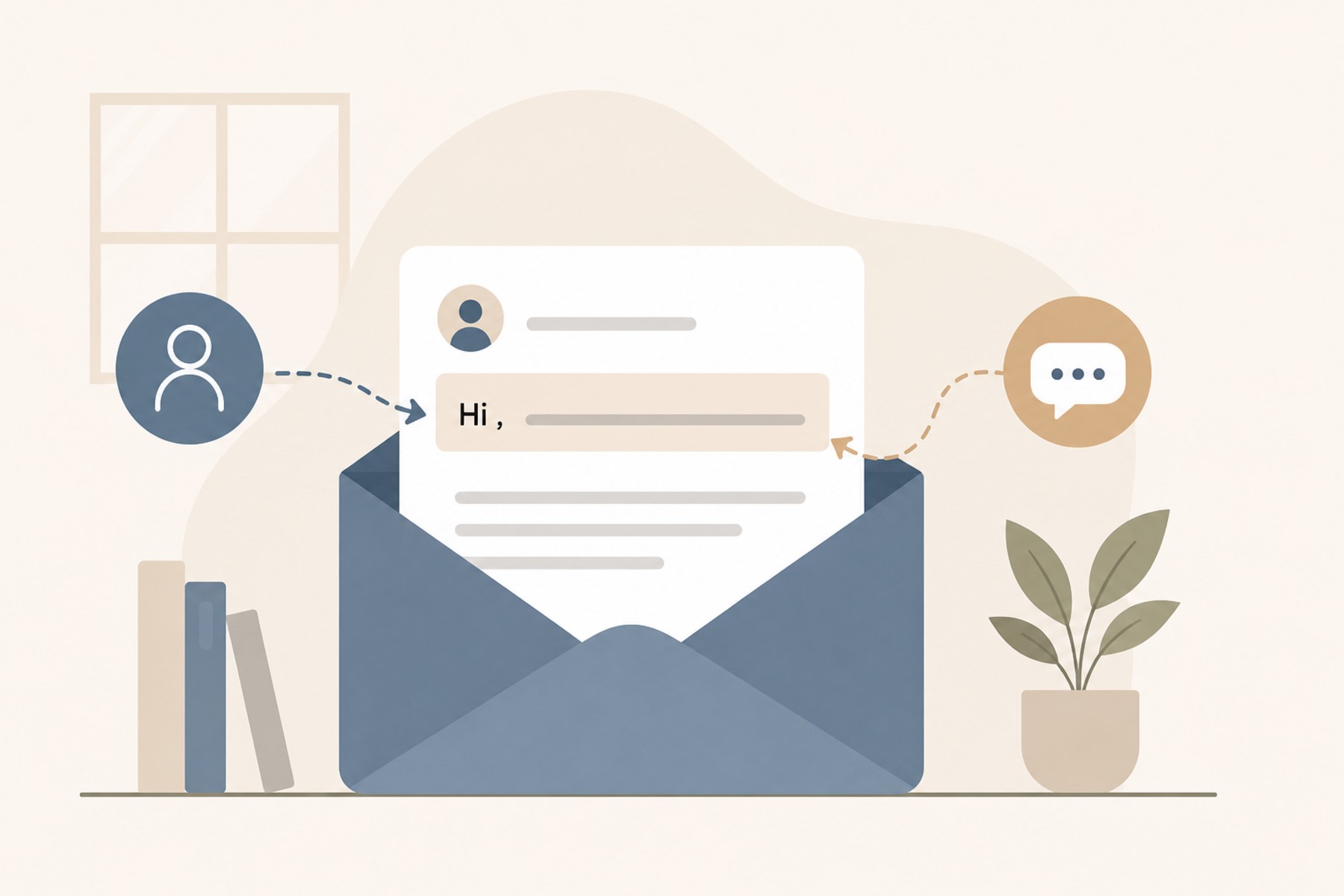
A good email introduction usually includes two parts:
Greeting → Opening Sentence
The greeting shows respect and establishes the right tone, while the opening sentence quickly explains why you are writing.
How to Choose the Right Greeting for a Marketing Email
The right marketing email greeting can capture the reader's attention, create a sense of connection, and improve the overall email experience. When choosing a greeting, consider your target audience, campaign type, and brand voice.
Below are the most common types of marketing email greetings and when to use them.
Formal Marketing Email Greetings
Formal greetings may be suitable for B2B campaigns, high-value clients, financial services, or audiences that prefer a more traditional tone.
Examples of Formal Email Greetings
- Dear Mr. Smith,
- Dear Ms. Johnson,
- Dear Valued Customer,
- Dear Business Partner,
When Should You Use a Formal Greeting?
Formal greetings often work well for:
- B2B outreach emails
- Account or service updates
- Event invitations
- Communications in regulated industries
- Campaigns targeting senior decision-makers
When recipient data is accurate, using the reader's name can make the message feel more personal. If the recipient's name is unavailable or uncertain, a natural, general greeting is usually safer than incorrect personalization.
Friendly and Personalized Marketing Email Greetings
For most marketing emails, a friendly and personalized greeting helps brands build a more direct and engaging connection with readers.
Examples of Personalized Email Greetings
- Hi Sarah,
- Hello David,
- Hi there,
- Welcome, James!
When Should You Use a Personalized Greeting?
These greetings work well for:
- Welcome emails
- Promotional campaigns
- Product recommendation emails
- Brand newsletters
- Customer engagement emails
- Loyalty campaigns
- Customer retention emails
“Hi + first name” is a common choice in marketing emails because it feels personal and approachable without being overly casual. However, the greeting should still reflect your brand voice and your audience's communication preferences.
Marketing Email Greetings for Specific Audiences
Some marketing emails are addressed to a community, customer segment, or interest group rather than an individual recipient. In these cases, you can tailor the greeting to the audience's interests, identity, or relationship with your brand.
Examples of Audience-Specific Greetings
- Hello, coffee lovers!
- Hi, creators!
- Dear valued members,
- Welcome back, travelers!
When Should You Use an Audience-Specific Greeting?
Audience-specific greetings are suitable for:
- Community newsletters
- Membership campaigns
- Interest-based promotions
- Seasonal marketing campaigns
- Announcements for specific customer groups
A relevant greeting can make an email feel more personal and closely aligned with the reader's interests. However, avoid labels that sound forced or reveal sensitive information about how the audience was segmented.
4. How to Start the Body of an Email
After your greeting, the first sentence of your email should quickly explain your purpose. A strong opening sentence helps the reader understand why you are contacting them and encourages them to continue reading.
Instead of starting with unnecessary background information, begin with the most important point. Draft and format your ideas in Write Online, then turn them into a complete message when you are ready.
A marketing email opening should be:
- clear
- direct
- relevant
- connected to the recipient's needs
Here are common opening sentences for different situations:
Knowing how to write a marketing email body means matching the opening to the reader's stage: a new subscriber needs a welcome, a trial user needs guidance, and a returning customer may respond to a relevant offer.
Following Up on a Previous Interaction
Use a follow-up opening after a subscriber has attended an event, downloaded a resource, viewed a product, or started a trial.
Marketing Follow-Up Examples
Thanks for joining our recent webinar. Here are the resources we promised to share.
You recently explored our productivity tools. Here are three features that can help you save time.
Your free trial is underway—here's a quick guide to help you get started.
We noticed you left a few items in your cart. Complete your order today and enjoy free shipping.
These openings give readers useful context and a clear reason to continue. Mention the specific event, product, resource, or offer rather than sending a generic follow-up.
As you learn how to write marketing emails for a customer journey, use the reader's previous action to make each follow-up more relevant.
Opening a Welcome or Promotional Email
Use a benefit-focused opening when welcoming new subscribers, introducing an offer, or sharing a relevant recommendation.
Welcome and Promotion Examples
Welcome to BrightWave. We're glad you're here—start with these resources to make your next campaign stronger.
For the next 48 hours, you can save 20% on the tools that help you organize your work.
As a thank-you for subscribing, here's your free guide to creating more effective email campaigns.
Based on the products you explored, we selected a few recommendations you may like.
A strong opening quickly connects the message to a reader benefit. Keep it focused on what the reader can gain instead of beginning with a long company introduction.
Sharing Marketing Information or Campaign Updates
Use an update-focused opening when sharing campaign results, product news, event details, or other information relevant to your audience.
Marketing Update Examples
We're excited to introduce a new feature designed to simplify your workflow.
Here's what you need to know about our upcoming product launch.
Our summer collection is here, with new options chosen for every kind of workspace.
Your favorite plan now includes more ways to collaborate.
These openings immediately tell readers what the email contains and why they should continue reading. Lead with the most relevant news or customer benefit instead of unnecessary background information.
Introducing Your Brand to New Subscribers
Use a brief brand introduction in welcome emails and other first-touch messages to explain what subscribers can expect from you.
Brand Introduction Examples
Welcome to BrightWave. We help growing ecommerce brands build stronger customer relationships through better email campaigns.
Thanks for subscribing. You'll receive practical tips, product updates, and occasional offers designed to help you get more from your work.
At ABC Company, we create tools that make everyday projects easier to manage.
You're now part of a community of creators sharing new ideas and practical resources each week.
A good brand introduction is brief, relevant, and centered on the value readers will receive. Avoid lengthy company descriptions before establishing a clear connection to their needs or interests.
5. Call to Action
Every marketing email should have a clear purpose. A call to action tells the recipient exactly what you would like them to do after reading your message.
Depending on the goal of your email, you may ask the reader to reply, visit a website, download a resource, register for an event, start a trial, or make a purchase.
A strong call to action should be:
- clear
- specific
- easy to complete
- polite
- connected to the purpose of the email
Avoid vague phrases such as “Let me know what you think” when you need a specific response. Instead, explain what action the recipient should take and, when necessary, include a reasonable deadline.
Here are common calls to action for different situations:
Requesting a Reply
Use a reply-focused call to action when asking a lead or customer to answer a question or provide information.
Examples:
Reply with the product category you're most interested in.
Please let us know whether you'd like to receive a personalized recommendation.
Could you confirm that you received the campaign materials?
These calls to action clearly communicate what kind of response you expect. Keep the request simple and, when possible, ask only one question to make replying easier.
Requesting Feedback
Use this type of call to action when asking customers or subscribers to share their opinions, preferences, or product experience.
Examples:
Tell us which product feature you'd like us to improve next.
Take our two-minute survey and share your feedback.
Leave a review and help other customers make a confident choice.
Make the request simple and explain why the reader's feedback matters. Include a clear deadline only when it is genuinely relevant.
Encouraging a Demo or Consultation
Use this type of call to action when a marketing email invites a qualified lead to book a product demonstration or consultation.
Examples:
Book a 20-minute demo to see how the platform works for your team.
Choose a convenient time below to schedule your personalized product demo.
Reserve a time that works for you, and we'll show you the features most relevant to your goals.
Include the purpose, estimated length, and a direct scheduling link whenever possible. Giving readers clear options reduces friction and makes it easier to take the next step.
Directing Readers to a Website or Resource
Use this type of call to action when you want readers to explore a product, visit a landing page, read more content, or download a marketing resource.
Examples:
Visit our website to explore the complete product collection.
Download the free guide to discover more ways to improve your email campaigns.
View the full report to explore the latest marketing trends and results.
Make the link or button easy to find and describe what readers will see or receive after clicking it. Specific calls to action such as “Download the Guide” are usually clearer than generic phrases such as “Click Here.”
Encouraging Registration or Sign-Up
Use a registration call to action when inviting readers to join a webinar, event, service, newsletter, loyalty program, or free trial.
Examples:
Register today to reserve your place at the webinar.
Sign up for a free account and create your first campaign.
Subscribe to our newsletter to receive new marketing tips and resources each week.
Briefly explain what readers will gain by signing up. If registration closes on a specific date or availability is limited, include that information to create relevant urgency.
Encouraging a Purchase
Use a purchase-focused call to action when a marketing email promotes a product, service, subscription, or limited-time offer.
Examples:
Shop the collection today and receive 20% off your first order.
Choose the plan that best fits your needs and start your free trial.
Place your order before Friday to receive free delivery.
Highlight the next step and clearly explain the value of taking action. Include relevant details such as the discount, offer conditions, or expiration date without overwhelming the reader.
Setting a Deadline
Use a deadline when an offer, registration period, campaign response, or requested action must be completed by a specific time.
Examples:
Claim your 20% discount before the offer ends on August 15.
Register for the webinar by Friday to reserve your place.
Complete the survey by 3:00 p.m. tomorrow to help us plan the next release.
Deadlines should be specific, reasonable, and easy to notice. Use an exact date or time instead of unclear phrases such as “act soon,” and avoid creating false urgency.
How to Write an Effective Marketing Email Call to Action
Place your main call to action after you have given readers the information they need to make a decision. Whenever possible, focus on one primary action so the next step is immediately clear.
An effective marketing email CTA should connect the campaign goal with a clear benefit for the reader, whether that benefit is a discount, a useful resource, a product demonstration, or a faster way to get started.
For example, instead of writing:
Explore our products, download the guide, follow us on social media, and sign up for a free trial.
Write:
Start your free trial today and discover how our platform can simplify your email marketing. Once you have created your account, you can explore the complete collection of guides and resources.
The revised version emphasizes one immediate action and presents the additional resources as a later step. This makes the message easier to understand and reduces distractions that could prevent readers from taking action.
Before sending your marketing email, ask yourself:
- Is the requested action clear?
- Do readers know how to complete it?
- Does the call to action highlight a relevant benefit?
- Have I included an accurate deadline if one is necessary?
- Does the request match the reader's stage in the customer journey?
- Is there one obvious next step?
A clear call to action makes your email more effective because the recipient does not have to guess what you expect them to do.
Ready to write your CTA? Try an ai email tool to generate a complete email—including a compelling CTA—in seconds.
6. Closing
End your email with a positive, on-brand closing that reinforces your message and maintains a good relationship with the recipient.
The final lines of your email should briefly summarize the next step, express appreciation, or invite further communication. A strong closing leaves the reader with a clear and positive impression.
An effective marketing email closing should be:
- polite
- concise
- appropriate for the relationship
- consistent with the tone of the email
- connected to the purpose of the message
Avoid ending your email abruptly. Even a short sentence of appreciation or a reminder of the next step can make your message feel more complete and polished.
Here are common closing sentences for different situations:
Expressing Appreciation
Use an appreciative closing to thank customers, subscribers, leads, or partners for their time, interest, or continued support.
Examples:
Thank you for being part of our community.
We appreciate your continued support.
Thank you for taking the time to explore our latest offer.
We appreciate your interest in our products and services.
These closings help create a positive final impression and strengthen the reader's connection with your brand. Keep the message sincere and relevant to the email instead of relying on generic wording.
Encouraging a Response
Use a response-focused closing when you want readers to ask a question, share feedback, express their preferences, or take part in a conversation with your brand.
Examples:
We'd love to hear what you think.
Reply to this email and let us know which option you prefer.
Please let us know if you have any questions about the offer.
We look forward to hearing your feedback.
These sentences invite readers to respond without sounding demanding. Clearly explain what kind of response you want and make the action simple to complete.
Confirming the Next Step
When your email includes an offer, registration, trial, or planned action, tell readers what will happen next:
Examples:
Once you register, we'll send your webinar access link straight to your inbox.
Start your free trial today, and you can begin exploring the platform right away.
After you place your order, we'll email your shipping confirmation and tracking details.
A next-step closing reminds the recipient what will happen after the email.
Offering Additional Help
Use a helpful closing when you want customers, subscribers, or leads to know that support and additional information are available.
Examples:
Please contact our team if you need any additional information.
Let us know if there is anything else we can help you with.
We'd be happy to answer any questions you may have about the offer.
Reply to this email if you need help choosing the right product or plan.
These closings can reduce uncertainty and help readers feel supported before taking action. They are especially useful in product emails, service updates, lead-nurturing campaigns, and marketing follow-ups.
Ending a Marketing Email
Use the closing of a marketing email to remind customers, subscribers, or potential buyers of the main benefit and encourage them to take the intended action.
Examples:
Start your free trial today and discover how our service can help your business grow.
Visit our website to explore the complete collection.
Join the webinar to learn how to improve your next campaign.
Thank you for being part of our community.
A strong marketing email closing connects naturally to the message and gives readers a clear next step. Focus on one primary action and avoid adding new offers or information at the end.
Choosing a Marketing Email Sign-Off
After the final sentence, add a sign-off that matches your brand voice, audience, and campaign type.
Common marketing email sign-offs include:
- Best regards,
- Kind regards,
- Best,
- Thank you,
- Warm regards,
- The [Brand Name] Team,
- Your friends at [Brand Name],
Use “Best regards” or “Kind regards” for B2B campaigns, partnership outreach, and more formal customer communication. Choose “Best,” “Thank you,” or a brand-based sign-off for newsletters, promotional emails, and customer campaigns with a friendlier tone.
Avoid sign-offs that feel too formal, overly emotional, or inconsistent with the rest of the email. The sender name should also be clear so readers immediately know whether the message comes from an individual, a team, or a brand.
For example:
Email template
Start your free trial today and discover a simpler way to manage your email campaigns.
Best regards,
Alex Morgan
BrightWave Marketing Team
A well-written closing should support the campaign goal, reinforce the brand's tone, and end the email without introducing unrelated information.
7. Marketing Email Footer
The footer is where readers can identify the brand, find help, and manage their subscription. It is different from the personal signature used in a one-to-one business email.
Essential Marketing Email Footer Elements
Depending on your audience and location, a marketing email footer may include:
- the brand or team name
- a reply-to email address or customer support link
- the company website
- the business address or other legally required company information
- an unsubscribe link
- a link to manage email preferences
- relevant social media profiles
Keep the footer easy to scan and make the unsubscribe option clear. Do not use the footer to hide important information or distract readers from their choices.
Marketing Email Footer Example
Email template
Best,
The ABC Company Team
123 Market Street, San Francisco, CA 94105
Manage your email preferences or unsubscribe
This format makes the sender clear and gives readers a straightforward way to manage future messages. Confirm the legal requirements that apply to your business and the recipients you email before sending a campaign.
How to Create an Effective Marketing Email Footer
Keep your footer clean, readable, and consistent across your marketing emails. Test it on desktop and mobile devices to make sure the links, address, and unsubscribe option are easy to use.
A strong marketing email footer should:
- clearly identify the sender
- include relevant contact or support details
- make subscription choices easy to find
- match your brand without overwhelming the email
- display correctly on desktop and mobile devices
A clear footer builds trust while giving readers the practical information they need.
Final Thoughts
A good email does more than deliver information—it creates a connection with the person on the other side of the screen.
A clear subject line gives someone a reason to open your message. A thoughtful greeting makes the conversation feel more personal. A well-organized body shows respect for the reader's time, while a clear call to action makes the next step easier for everyone.
Before clicking “Send,” take a moment to read your email again. Ask yourself: Is my message easy to understand? Does my tone feel friendly and appropriate? Will the recipient know what to do next?
You do not need to make every sentence perfect. When your purpose is clear, your words are sincere, and you take the recipient's perspective into account, your email already has the power to make a meaningful impression.
We hope this guide helps you approach every email with greater confidence—and make each conversation clearer, warmer, and more meaningful.
Now that you know how to write a marketing email, start with one clear goal, choose the most relevant example from this guide, and give readers one obvious next step.
Use the same framework whenever you need to learn how to write marketing emails for new subscribers, existing customers, or returning shoppers.
Want to write better emails without the hassle? Give an email writer a try. It turns your rough notes into polished drafts in seconds, so you can stop overthinking and start sending.